
🏠 Homecare | 🫁 Rehabilitation | 👩⚕️ Caregiver Services | ✈️ Medical Tourism & Transport
Innovative platform providing comprehensive respiratory home care and rehabilitation services for patients.



HOMECARE
Services
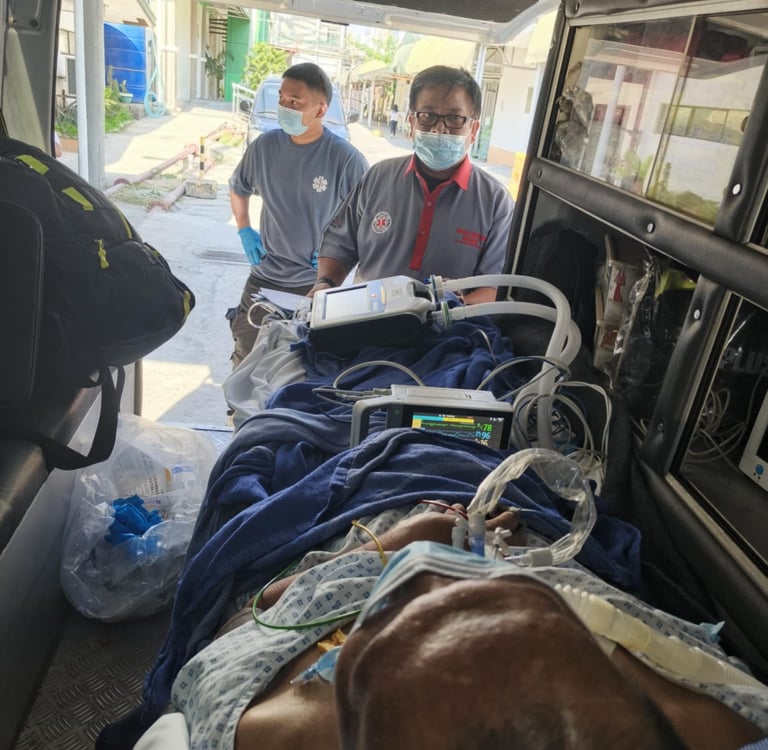
Ventilator & respiratory support
HFNC
BiPAP / CPAP
Oxygen therapy
Tracheostomy care
Respiratory monitoring
Respiratory Therapist home visits
Physical Therapy when indicated
Caregiver support
Complex & palliative home care


REHABILITATION
Services
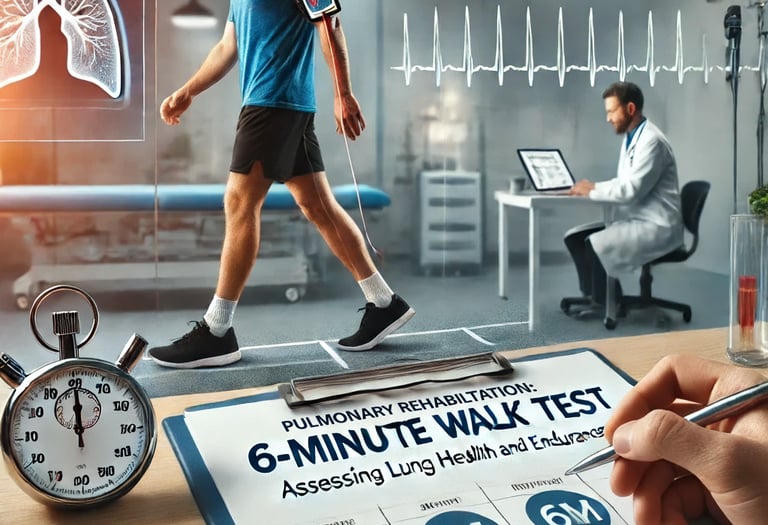
Pulmonary Rehabilitation
Physical Therapy
Respiratory Therapy
Occupational Therapy
Speech & Language Therapy
Neurological Rehabilitation
Post-stroke rehabilitation
ALS/MND rehabilitation support
Cardiopulmonary conditioning
Functional & mobility training
A multidisciplinary rehabilitation model rather than treating the lungs, muscles, speech, or daily function as separate problems.
CAREGIVER SERVICES AND CARE COORDINATION
Trained people. Continuous support.
For families who need someone capable of providing day-to-day care—especially for patients with complex medical needs.
We provide you with the best caregivers you need. We provide professional Caregiving Services to support patients who require assistance with daily living due to aging, illness, disability, or post-hospital recovery. Our trained caregivers deliver compassionate, personalized care, including personal hygiene, mobility assistance, medication reminders, nutrition support, and companionship in the comfort of the patient's home or healthcare facility. We are committed to promoting safety, dignity, independence, and an improved quality of life for every individual under our care.
treamlined services for better patient outcomes. We provide Care Coordination services to ensure seamless communication and continuity of care among patients, families, physicians, therapists, hospitals, and other healthcare providers. Our care coordinators manage treatment plans, schedule appointments, facilitate referrals, monitor patient progress, and coordinate home healthcare and rehabilitation services based on each patient's clinical needs. Through a patient-centered approach, we help improve healthcare outcomes, reduce unnecessary hospital readmissions, and ensure every patient receives timely and well-coordinated care.


MEDICAL TOURISM & TRANSPORT


Services
Medical escort
Airport assistance
Domestic medical transport
International medical travel
Hospital-to-home transfers
Oxygen-dependent travel support
Ventilator/tracheostomy patient escort
Pre-travel respiratory assessment
Coordination with hospitals and healthcare providers
We assist you with your medical journey outside your country. We connect international patients with trusted healthcare providers for specialized medical treatments, rehabilitation, and recovery programs. We coordinate every stage of the patient's journey, including medical consultations, treatment scheduling, travel arrangements, accommodation, and post-treatment follow-up for a seamless healthcare experience. Our goal is to provide safe, high-quality, and patient-centered medical care while ensuring comfort, convenience, and continuity throughout the entire treatment journey.


Complete Rehabilitation FAQs
1. What is complete rehabilitation?
Complete rehabilitation is a holistic approach to restoring a person’s physical, mental, and social abilities after illness, injury, or surgery. It may include:
Physical therapy (PT) – improving mobility, strength, and balance
Occupational therapy (OT) – helping with daily activities and independence
Speech-language therapy (SLT) – addressing speech, language, and swallowing difficulties
Respiratory therapy (RT) – supporting breathing and lung function
2. Who can benefit from rehabilitation?
Stroke or brain injury survivors
Patients recovering from surgery (orthopedic, cardiac, etc.)
Individuals with chronic illnesses (COPD, heart failure, neuromuscular disorders)
Children with developmental delays or congenital conditions
Patients on long-term ventilators or oxygen therapy
Neuromuscular disorder patients
3. How is a rehabilitation program designed?
Assessment of physical, cognitive, and respiratory function
Personalized treatment plan targeting goals and abilities
Multidisciplinary approach—therapists, doctors, nurses, and caregivers
Continuous monitoring and adjustment based on progress
4. How long does rehabilitation take?
Duration depends on the condition and patient’s goals.
Acute injuries may need weeks to months, chronic conditions may require ongoing care.
Sessions are typically 1–2 hours, 1–3 times a week, but can vary.
5. Can rehabilitation be done at home?
Yes. Home-based rehabilitation is effective for:
Patients with mobility issues
Children or adults requiring long-term therapy
Respiratory therapy for home oxygen or ventilator care
Tele-rehabilitation via video or AI-assisted platforms like AICHA
Respiratory Therapist visit
6. What equipment is used in rehabilitation?
PT: exercise bands, balance boards, weights, treadmills
OT: adaptive tools for daily activities, fine motor aids
SLT: speech and swallowing tools, therapy software
RT: oxygen therapy, CPAP, mechanical ventilators, inhalers
7. How do we prevent complications during rehabilitation?
Proper device fitting and safety checks
Skin and pressure injury prevention (especially in bedridden patients)
Gradual progression of exercises
Close monitoring of vital signs and oxygen saturation
8. Is rehabilitation covered by insurance?
Coverage varies. Many insurers cover:
Post-surgical rehab
Stroke or neurological rehab
Pediatric therapy for developmental disorders
Home respiratory therapy
Check with your provider for specifics.
9. Can children benefit from rehabilitation?
Absolutely. Pediatric rehab focuses on:
Strength, coordination, and motor skills
Speech and language development
Breathing support for preterm or chronically ill children
Cognitive and sensory development
10. How do I know if rehabilitation is working?
Improvement in mobility, strength, or speech
Better independence in daily activities
Reduced hospital readmissions
Positive feedback from therapists and caregivers
11. Are there any risks?
Rehabilitation is generally safe, but:
Overexertion can cause fatigue or soreness
Improper equipment use may cause injury
Close supervision, especially for fragile patients, is essential
12. How often should patients follow up?
Depends on therapy type and patient condition
Acute rehab: 2–5 sessions per week initially
Chronic care: 1–3 times per week or telemonitoring
Regular reassessments every few weeks to adjust the plan
How to contact for help?
You can reach our support team via the contact form on our website.